

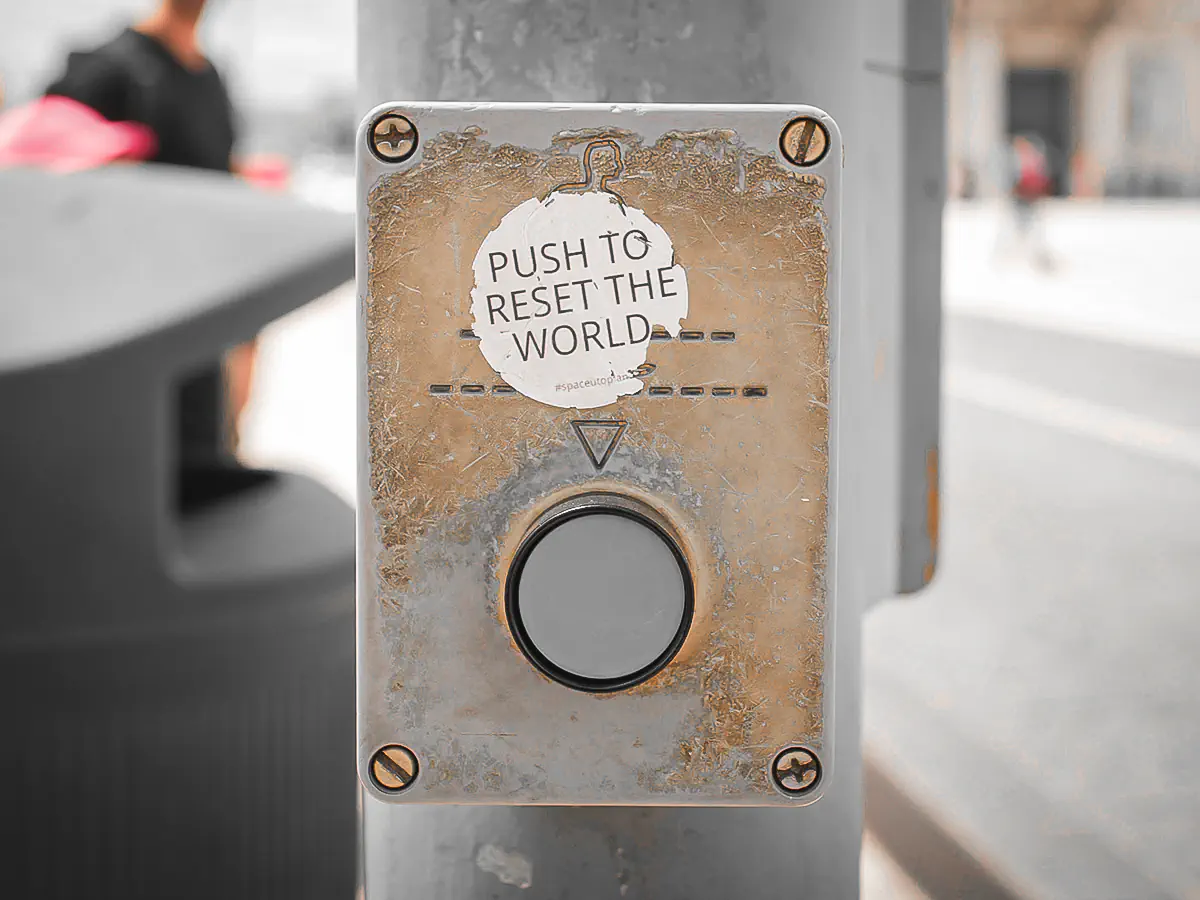
How I Think About Starting Over When Everything Resets
Starting over is often treated as a failure. It suggests that something has been lost, that progress has been undone, and that you are back at a point you were trying to leave behind. Because of that, most people try to avoid it. They try to protect what they have built, not only because of its value, but because of the effort it took to get there.
I understand that instinct. There is a real cost to losing something that required time, focus, and consistency to create. But over time, I have started to look at starting over differently, not as a complete loss, but as a situation where only certain things disappear while others remain. That distinction matters more than it seems.
What Is Actually Lost
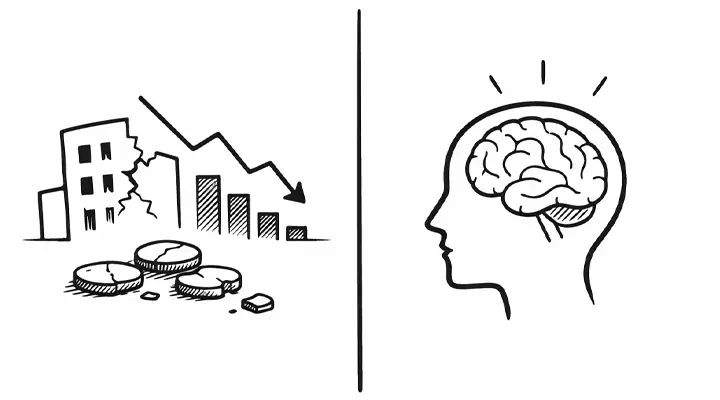
When everything resets, the most visible losses are external. Money can disappear, businesses can fail, assets can be taken away, and systems that took years to build can stop working.
Personally, I have experienced this in different forms. Some of it was controllable. Some of it came from decisions I made, including things I chose to walk away from. And some of it was outside my control, especially during the pandemic when certain opportunities simply stopped.
From the outside, those losses can look significant, but they are still only the visible part.
What Remains After a Reset
What does not reset is the way you think.
Your understanding of how things work does not disappear. The patterns you have observed, the mistakes you have already made, and the decisions you have learned to avoid are still there.
You keep your judgment and your experience. These are not visible in the same way that money or assets are, but they are more valuable when you need to rebuild, because they determine how fast you can move forward again and how different your next attempt will be.
The Difference Between Starting and Restarting
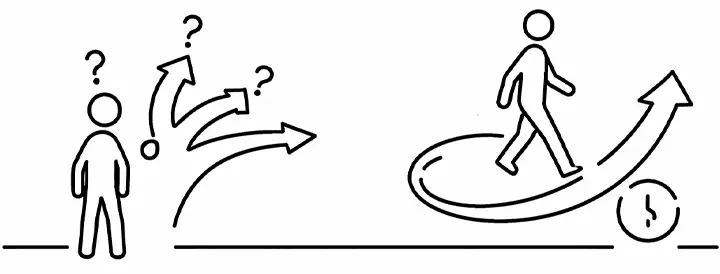
There is a difference between starting for the first time and starting over.
When you begin for the first time, everything is uncertain. You are making decisions without context. You do not yet know what works, what fails, or what requires more effort than it appears.
Starting over is different.
Even if the external situation looks the same, you are not the same person anymore. You already understand what matters and what does not. You know where effort produces results and where it is wasted. That changes how you move.
Why a Reset Can Be Useful
If you understand this properly, starting over is not just manageable, it can become useful. You rebuild with fewer mistakes, better structure, and clearer priorities.
You remove unnecessary steps because you already know where they lead, and you focus more directly on what actually produces results. In that sense, the process becomes more efficient.
The Reality of Income
When it comes to income, I look at it in a very practical way. As long as your income does not fall to or below your cost of living, you are not in a critical position. You may not be growing, but you are still stable.
The real pressure begins when income drops below that level.
That is when you need to respond with action. Sometimes that means increasing your output significantly for a period of time, not as a long-term strategy, but as a way to recover stability.
The goal is to get back to a position where you can think clearly again instead of constantly reacting.
A Personal Reference Point
This way of thinking did not come from theory.
There was a time when I had very little.
I was still an employee, trying to find better opportunities. I would prepare around twenty resumes and go out to submit them to different companies.
I carried just enough money with me in case something went wrong, enough for fuel if needed or if something unexpected happened. It was not enough to comfortably buy food. Before going home, I made sure that all twenty resumes were submitted. That was the only objective for the day.
The next day, I got called for an interview. Shortly after, I was hired. That experience stayed with me, not because it was difficult, but because it showed me something simple. Progress depends on movement, not on your current position.
Rebuilding With Clarity
When everything resets, the process becomes more direct. You do not try to rebuild everything at once. You focus on what is necessary first. Restore income, create stability, then rebuild structure.
This time, you remove what did not work before. You avoid repeating the same mistakes. You move with more precision because you already understand the process. The work is still required, but it is no longer random.
Detaching From What Was Lost
One of the more difficult parts of starting over is letting go of what was there before. It is easy to compare your current position to your previous one and measure loss instead of focusing on what can be built next.
That slows everything down. Rebuilding works better when you accept the reset and focus on what is in front of you, instead of trying to recreate the past exactly as it was.
The Real Source of Stability
The more I think about it, the less I see stability as something that comes from what you own. It comes from your ability to build.
Assets can be lost, systems can break, and income can stop. But if you understand how to rebuild, then a reset becomes manageable, because the process behind what you built does not disappear.
Conclusion
Starting over is not something I aim for, but it is also not something I fear. Because I do not rely only on what I have built, I rely on the ability to build again.
I have lost things before, some by choice, some not. But as long as you are still able to think, move, and act on what you know, you are not starting from nothing.
You are starting again with a better understanding.

You may also like

Why I Limit My Goals to Three Areas
One of the questions I occasionally ask myself is what actually contributes to…

Why I Train Even as a Beginner (And Plan to Keep Going)
I am still a beginner in the gym. I do not lift heavy weights, and there are…

Why I’m Building Assets Instead of Chasing Income
For a long time, I believed that the solution to most problems was simple: earn…